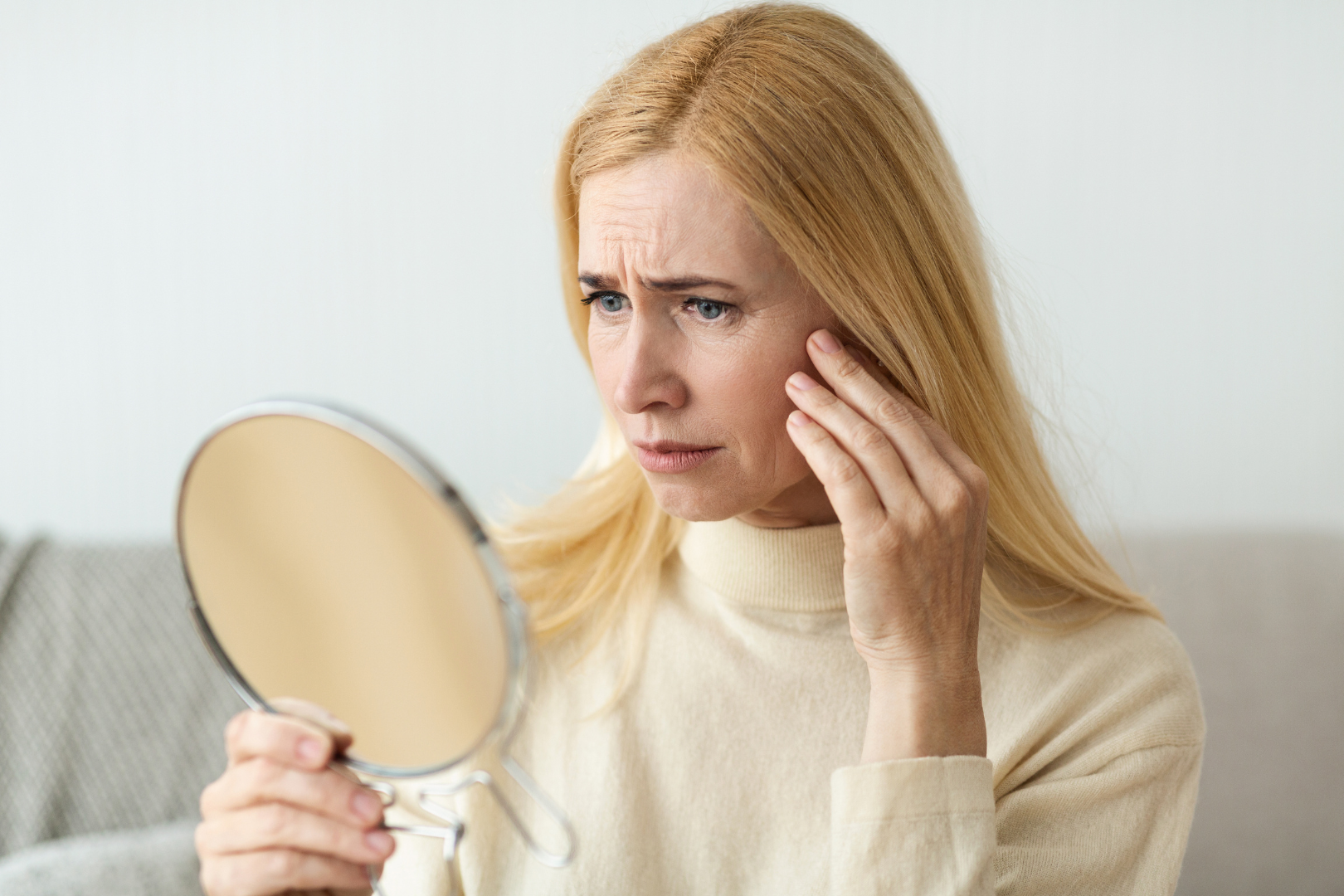
Understand which skin brightening solutions may help improve skin tone and support healthy-looking skin.


Get early access to new launches and promotions plus hints and tips on keeping your teeth healthy!
If you’ve been trying to fade dark spots on your face, you’ve probably seen endless ads for “miracle” brightening products, all promising glowing, even-toned skin. Yet after weeks or months of use, those stubborn spots can still linger.
The reality is, hyperpigmentation is one of the most common skin concerns, and not every product or treatment works for everyone.
Understanding what causes dark spots and how different options are designed to help can make it easier to choose what’s safe and effective for your skin. And that’s what we’re here to help with.
.png)
Our skin naturally produces melanin, the pigment that gives skin its colour and protects it from the sun. But when melanin is produced in excess, it can lead to small, darker patches known as hyperpigmentation.
Some of the most common causes include:
Pigmentation itself is harmless but can make skin look uneven. The key to managing it starts with prevention and a little patience.
When it comes to pigmentation, sunscreen really is your best friend. UV exposure is the biggest trigger for dark spots, even when you’re not in direct sunlight.
Here’s your checklist to help you protect your skin daily:
Consistent protection gives your skin a chance to heal and prevents new pigmentation from forming.
.png)
A targeted skincare routine may help improve the appearance of pigmentation over time, especially when it includes ingredients supported by dermatological research. Look for these in your serums or moisturisers:
When it comes to skincare, consistency beats intensity. Visible improvement often takes several weeks, so think long-term, not overnight.
Keeping your skincare steps simple and consistent is the best way to see lasting change. Here’s a routine that supports clarity and brightness:
This combination of protection and repair forms the foundation for healthier, more balanced skin.
Sometimes pigmentation sits deeper in the skin, where creams and serums can’t fully reach. In those cases, professional treatments performed by trained practitioners may help.
This non-invasive treatment uses natural sponge spicules which are tiny, mineral-rich particles derived from freshwater sponges to gently stimulate the skin’s renewal process. Instead of metal needles, these spicules are massaged onto the skin, creating tiny channels in the surface of the skin to promote its natural renewal cycle. As the skin renews itself over the following days, some people may notice changes in tone or texture, though responses vary.
Because it relies on the skin’s own regenerative response, any changes from this treatment usually appear gradually, and the process can vary from person to person. People can respond differently to this kind of treatment, and some may notice changes over time, while others may require other approaches.
Laser treatments are designed to target areas of concentrated pigment. Using precise bursts of light energy, the laser passes through the upper layers of skin to reach clusters of melanin beneath the surface. The light energy aims to break up concentrated pigment so the skin’s natural processes can gradually manage it, although results vary.
Different types of lasers, such as Q-switched or Pico lasers, are chosen based on your skin tone and the type of pigmentation being treated. Depending on the type of pigmentation and skin characteristics, a clinician may recommend several sessions. Because the treatment involves controlled energy delivery, it should always be performed by a qualified professional to ensure safety and the best possible outcome.
Chemical peels work by applying a blend of safe, skin-renewing acids (commonly glycolic, lactic, or mandelic acid) to gently exfoliate the outermost layer of the skin. This process removes dull, surface cells and can support a fresher-looking complexion as the skin renews.
Depending on the strength of the peel, you may experience mild tingling or flaking as the skin renews. Professionally supervised treatments may support overall skin brightness and texture as part of a broader routine. When paired with consistent sun protection and at-home care, peels can be an effective way to complement your routine and support clearer, more radiant skin.
.png)
Even the best treatments work best when paired with healthy habits. Small, consistent steps can make a big difference. Here are some healthy habits that your skin will thank you for:
These habits help support overall skin health and can complement your usual routine. But if your dark spots persist despite months of consistent care, it’s worth seeking professional advice. Persistent or spreading pigmentation may require targeted in-clinic treatments for lasting improvement.
If your dark spots persist despite a consistent routine, a professional skin consultation can help identify what’s really going on. A qualified clinician can assess your skin, explain available options, and tailor a plan that’s safe for you.
At Smile Place Dental & Aesthetics, our clinicians focus on understanding your skin’s needs before recommending options that may be suitable for your skin concerns and goals. You can learn more about SQT Bio Microneedling and other treatment options by speaking with our qualified practitioners.
Treatment outcomes can vary depending on factors such as age, skin quality, lifestyle, and individual healing responses. A professional consultation helps ensure that any recommendations are safe, evidence-based, and tailored to your unique needs.

Dr Arathy Rao has over a decade of experience with a range of skills and knowledge in all aspects of dentistry.