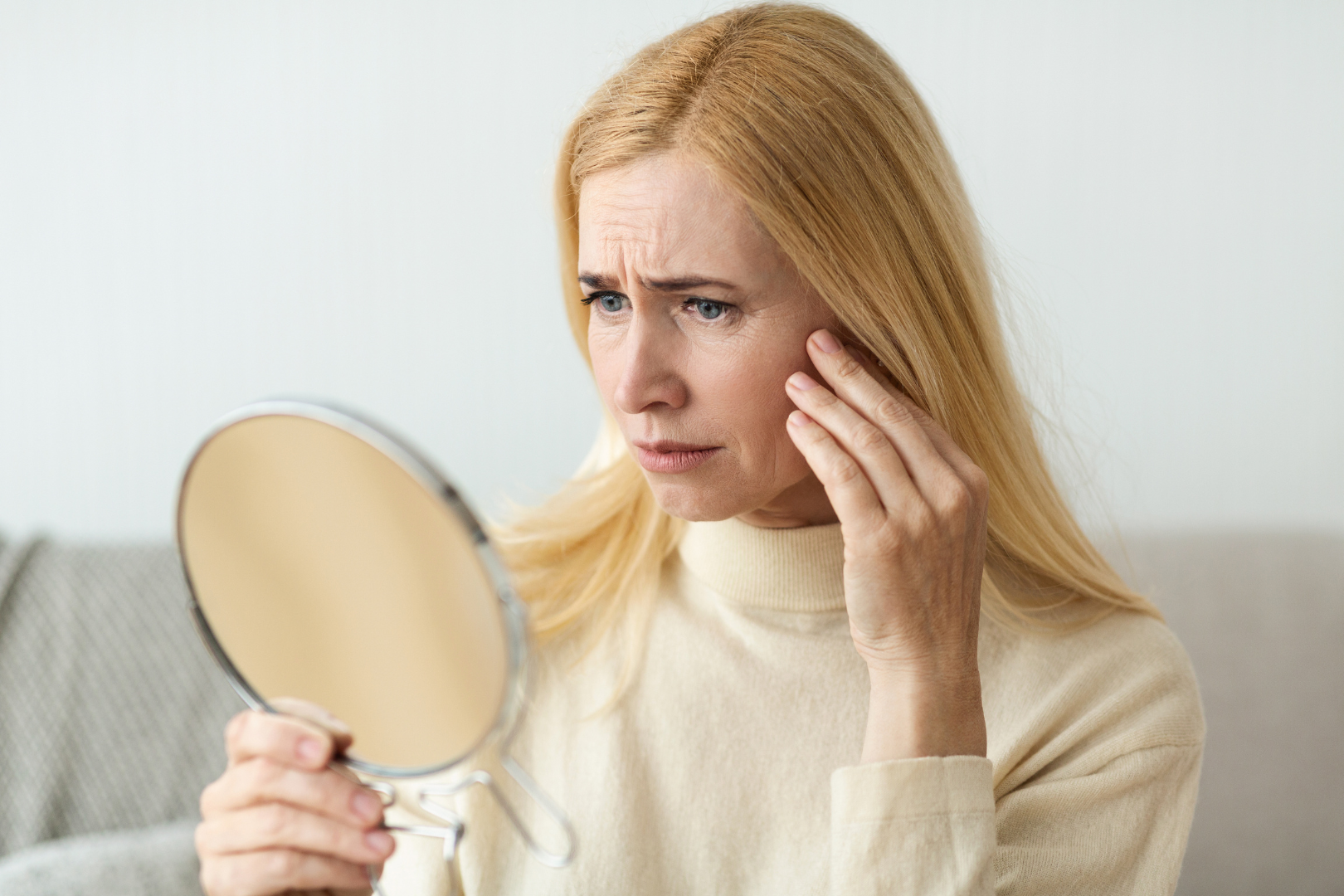
Learn how to tell the difference between freckles and sunspots, what they mean for your skin, and how to treat them.


Get early access to new launches and promotions plus hints and tips on keeping your teeth healthy!
After a summer spent outdoors, or even years of soaking up the Australian sun, you might start to notice new spots appearing on your face, shoulders, or hands. They weren’t always there…
So what are they? Freckles? Sunspots? Something more serious?
It’s normal to be concerned and we’re here to help. This article breaks down how freckles and sunspots differ, why they appear, and what your options are if you’d like to manage or treat them.
How Are Freckles Formed?
.png)
Freckles, also known as ephelides, are small, flat, light brown spots that tend to appear on sun-exposed skin. They’re often most noticeable on the face, shoulders, arms, and even the upper back.
Genetics play a big role in whether you get them. People with fair skin, red or blonde hair, and light eyes are more likely to carry a gene variant called MC1R, which makes them more prone to freckles. That’s why freckles are so common among fair-skinned Australians.
Sun exposure is the main trigger. Even if you’re genetically predisposed, freckles will usually darken or multiply with UV exposure and more so in the summer, then fade slightly during winter.
Rest assured, freckles are not dangerous. They’re more of a cosmetic concern than a health one.
.png)
Sunspots, also known as solar lentigines or age spots, are larger, flat, brown or black patches that tend to appear on areas of your body that get the most sun: your face, chest, shoulders, hands, and arms.
Unlike freckles, which often appear in childhood, sunspots are more common after age 30 and result from cumulative sun damage over time.
Most sunspots are harmless, but they’re a signal your skin has been damaged by the sun, which means your risk of skin cancer is higher. That’s why regular skin checks are so important, especially if your work or hobbies involve spending a lot of time in the sun.
Not sure which one you're seeing in the mirror? While freckles and sunspots can look alike at a glance, they’re quite different once you take a closer look. Their size, colour, and even the way they show up on your skin can offer important clues.
Here's a side-by-side breakdown to help you tell them apart:
| Feature | Freckles (Ephelides) |
Sunspots (Solar Lentigines) |
|---|---|---|
.png)
|
.png)
|
|
| Size | Small (1–2mm) | Larger (2mm–several cm) |
| Colour | Light brown or tan | Brown to black |
| Pattern | Appear in clusters | Appear as isolated spots |
| Fades With Less Sun? | Yes | No |
| Typical Age Of Appearance | Childhood to early 20s | 30+ |
| Cause | Genetics + sun exposure | Cumulative UV damage |
| Common Locations | Face, arms, shoulders | Face, hands, chest |
| Cancer Risk | Generally harmless | Can signal sun damage |
In most cases, no. Freckles and sunspots are generally benign. However, they’re still signs that your skin has been exposed to UV radiation, which is the number one cause of skin cancer.
Here’s what to watch for:
If something seems different or new, don’t panic but do get it checked. A quick skin check can offer peace of mind and ensure you catch any concerns early, just in case.
Some people embrace their freckles (they’re part of what makes them unique) while others prefer a more even-toned complexion and choose to reduce the appearance of freckles or sunspots. What matters most is what feels right for you.
If you’re considering cosmetic skincare to address pigmentation, there are a range of effective options both at home and in professional settings. These treatments can help fade freckles, lighten sunspots, and improve overall skin clarity over time.
Before diving into in-clinic treatments, get your basics right:
.png)
If you’re looking for faster or more noticeable results, these non-invasive options are commonly used to treat pigmentation:
Because pigmentation varies from person to person and has different causes, depths, and skin types, it’s best to consult a skincare professional who can assess your skin and recommend a tailored approach.
Tip: Treatment is only part of the picture. Without consistent sun protection, pigmentation is likely to return. So keep your SPF game strong, even after spots begin to fade.
Curious about reducing freckles specifically? Read our guide on how to get rid of freckles.
.png)
Sunspots and freckles may be harmless in most cases but it's still important to stay alert to changes in your skin. Doing a simple self-check every month can help you catch anything unusual early on.
Stand in front of a mirror in good lighting, and take your time checking the front and back of your:
You’re looking for anything that looks different from the rest or any existing spot that has changed over time. A helpful guide is the ABCDE rule, often used by dermatologists to identify potentially suspicious spots:
This isn’t a diagnosis of course. It’s a habit that will help you be familiar with your skin, enough to notice when something doesn’t look or feel right.
If you spend a lot of time in the sun, whether for work, sport, or lifestyle, we recommend booking a professional skin check at least once a year.
A GP or skin cancer clinic can assess your skin more thoroughly, using tools and expertise that go beyond what the eye can see.
Even if everything turns out to be normal, regular checks offer reassurance and keep your skin health on track. It’s a small step that can make a big difference.
Understanding the difference between freckles and sunspots can take the uncertainty out of caring for your skin.
Instead of second-guessing, you can make informed choices, whether that means embracing your natural skin or exploring safe, effective treatments.
At Smile Place Dental & Aesthetics, we offer personalised care for pigmentation, sun damage, and uneven skin tone, including gentle non-invasive options like SQT bio microneedling.
If you’re ready to feel more confident in your skin, our team is here to help.
Can freckles turn into sunspots over time?
No, freckles and sunspots are different types of pigmentation with different causes. Freckles are genetic and triggered by sun, while sunspots result from cumulative UV damage over time.
Are freckles or sunspots a sign of skin cancer?
Freckles and sunspots are usually harmless, but both indicate sun exposure, which increases your risk of skin cancer. It’s important to monitor changes and get regular skin checks.
Can I remove freckles or sunspots permanently?
Some treatments can significantly fade or remove them, but ongoing sun protection is key, without it, pigmentation can return.
How do I know if a spot is a freckle, sunspot, or something more serious?
Freckles are small and fade with less sun, while sunspots are larger and darker; if a spot changes in size, shape, or colour, or feels different, it’s best to get it checked by a professional.
What’s the best way to prevent freckles and sunspots from getting worse?
Daily use of broad-spectrum SPF 50+, wearing protective clothing, and avoiding peak UV hours (10am - 4pm) can help prevent further pigmentation and protect your skin long term.

Dr Arathy Rao has over a decade of experience with a range of skills and knowledge in all aspects of dentistry.